
Along a scrub-covered river bank, a leafless alder is draped in a leafless, flowering vine. This is the California pipevine (Aristolochia californica)–a showy early bloomer, that can be surprisingly hard to spot. When viewed up close, it is striking. The distinctive pipe shape is nearly two inches long, with brick red petal lips and veins streaking the bent green tube of the flower. It just needs a pair of googly eyes perched on top to become a goofy puppet a la Sesame Street. One would think this would be hard to miss–and yet in its leafless stage, pipevine flowers camouflage nicely with the brown leaves and spring buds of our winter forest, and one can (and I certainly have) walked right past it without noticing. As the season advances and the vine’s bright green, heart-shaped leaves emerge it becomes easier to see.


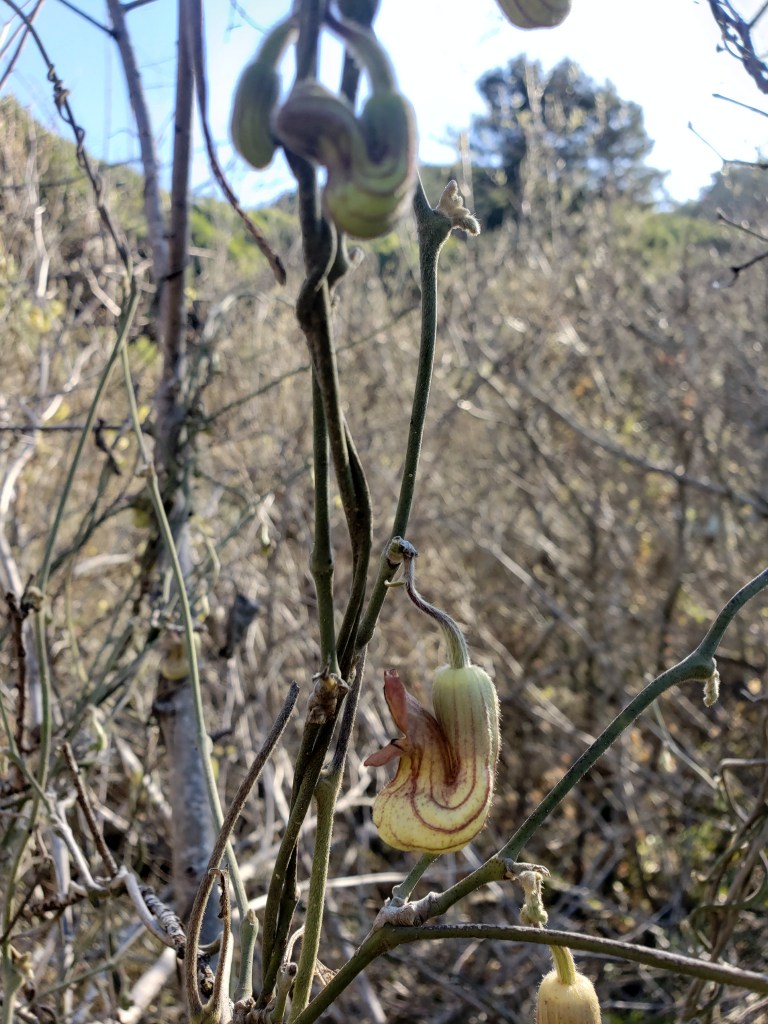


California pipevine, also known as Dutchmans pipe, is the only food for the caterpillars of the beautiful, iridescent-black pipevine swallowtail butterfly. The vine contains toxic compounds which don’t harm the caterpillars, but render them toxic to predators–a benefit which lasts throughout the pupal and butterfly stages as well. Mature pipevine swallowtails are often seen fluttering around this plant, where they lay their eggs; in fact, following one of these butterflies has led me to a nearby, unobtrusive pipevine plant that I otherwise would not have noticed!
The musty-smelling bloom itself is very attractive to flies and gnats, and fungus gnats are thought to be one of its prime pollinators. The pollination process is vividly described on this Putah Creek Council blog post: “Guided by stiff hairs, the insects are directed into the convoluted flowers, picking up pollen as they seek a way to exit. Eventually the flower hairs relax and the pollen-covered gnats are able to escape and spread pollen to other plants.”
This is the only pipevine species in California, but there are numerous species worldwide.

 Way back in the old days, like a month ago, nature was a huge part of my parenting. In a world that bombards us with screens, superheros, and shopping, I have always struggled to push the focus back onto the outdoors. Ideally, I do this by actually being outdoors: one of the beautiful things about little kids is that a 300 foot trail, or a pullout by the bay, can offer an hour of adventure and exploration.


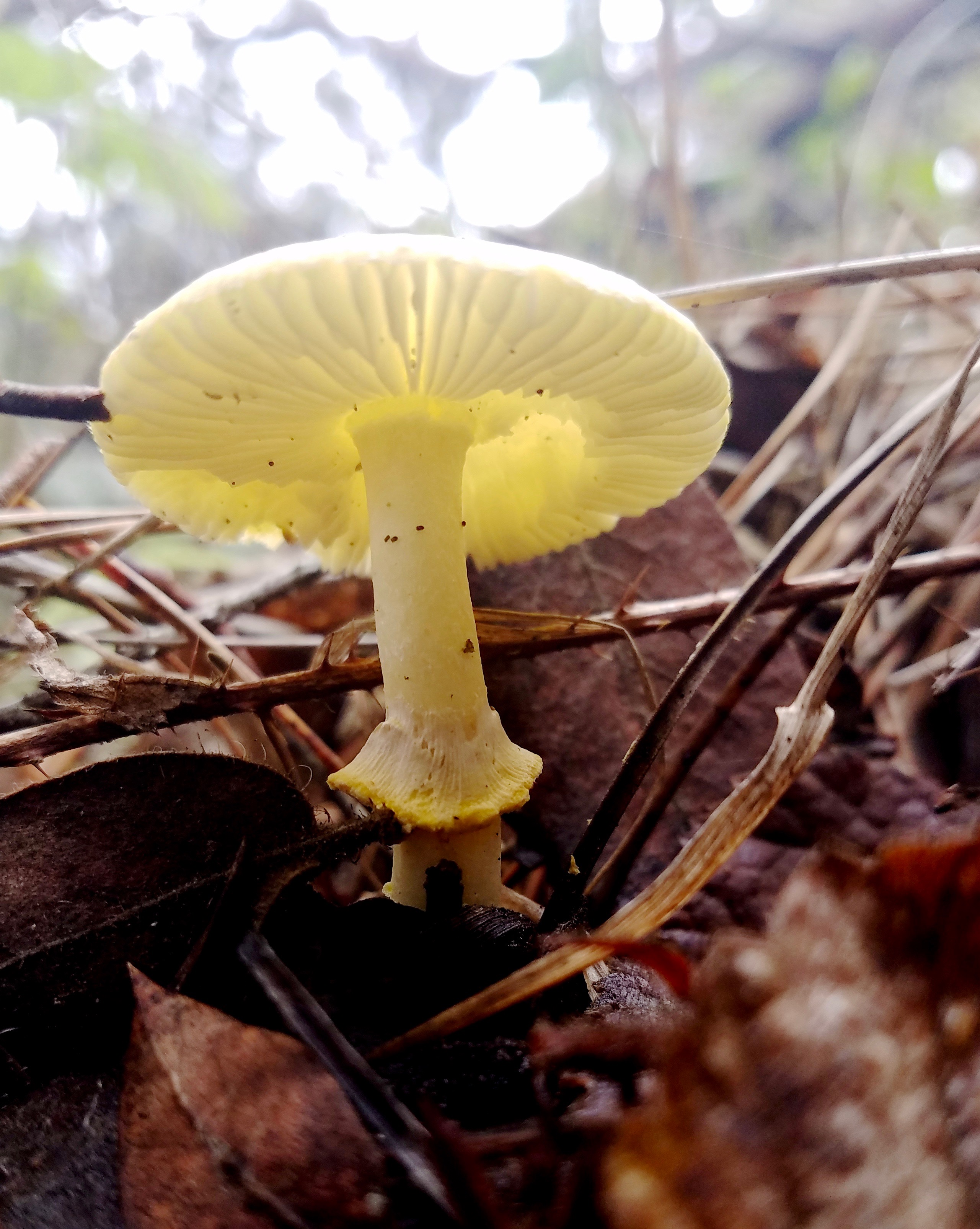
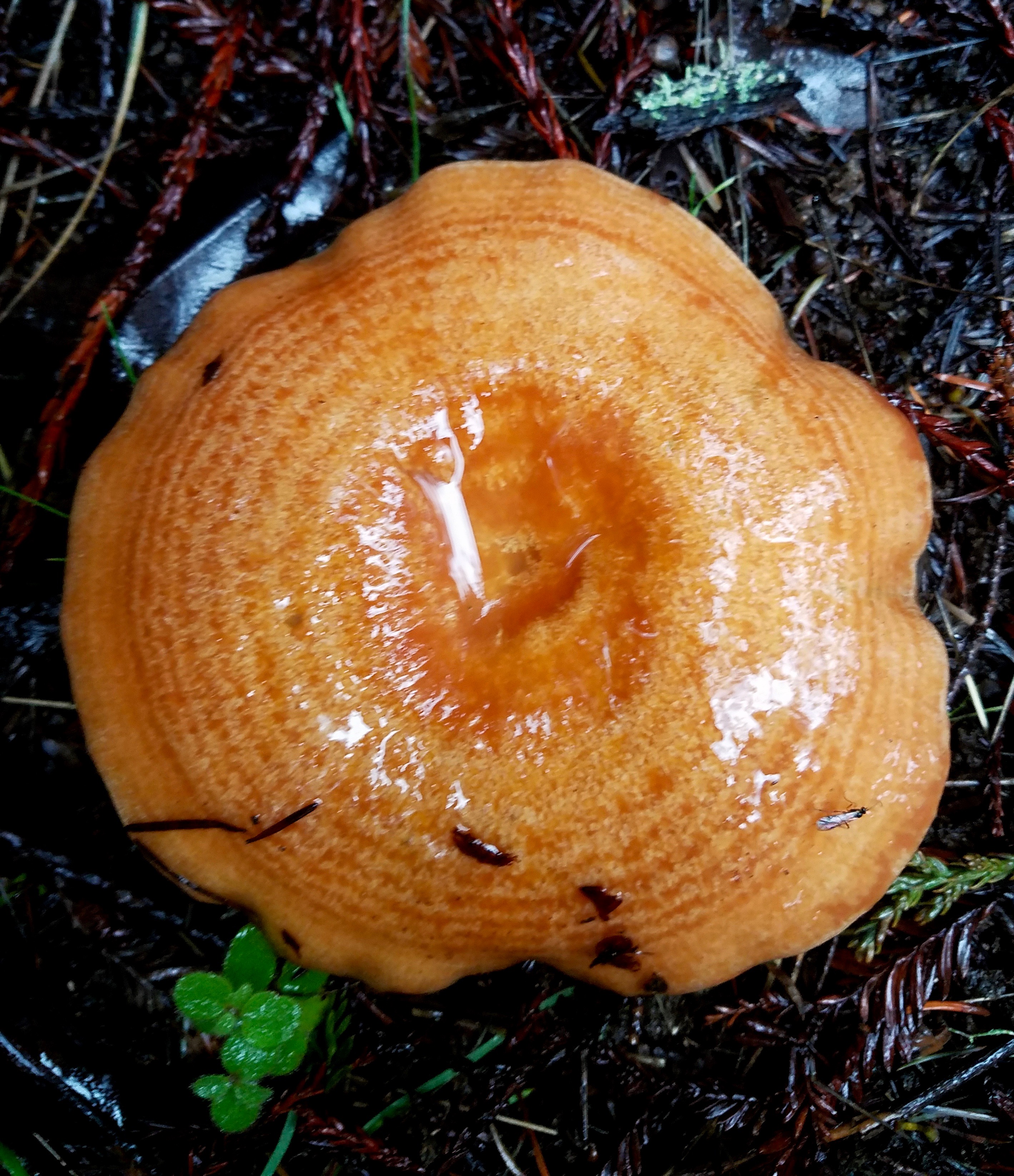
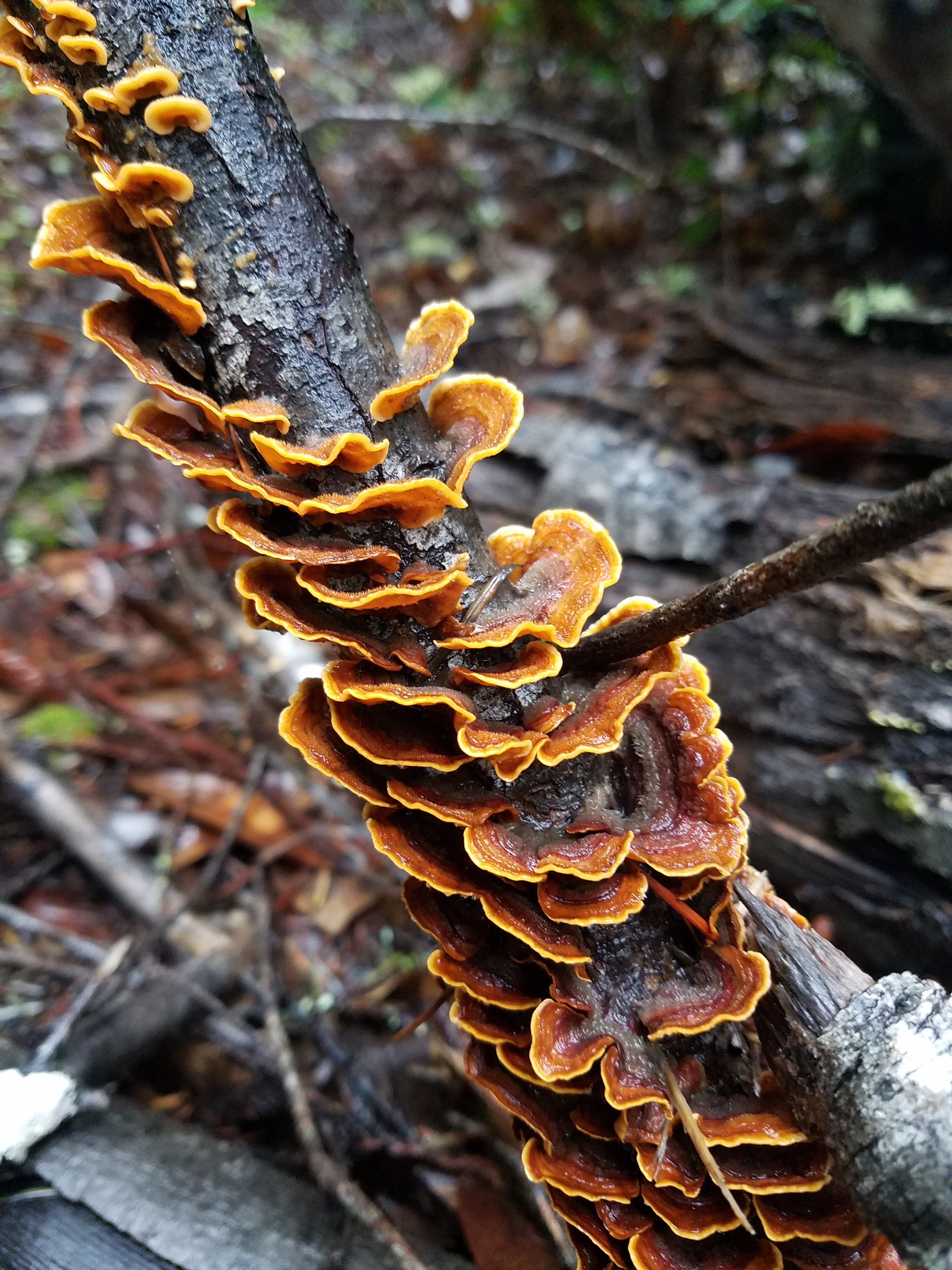
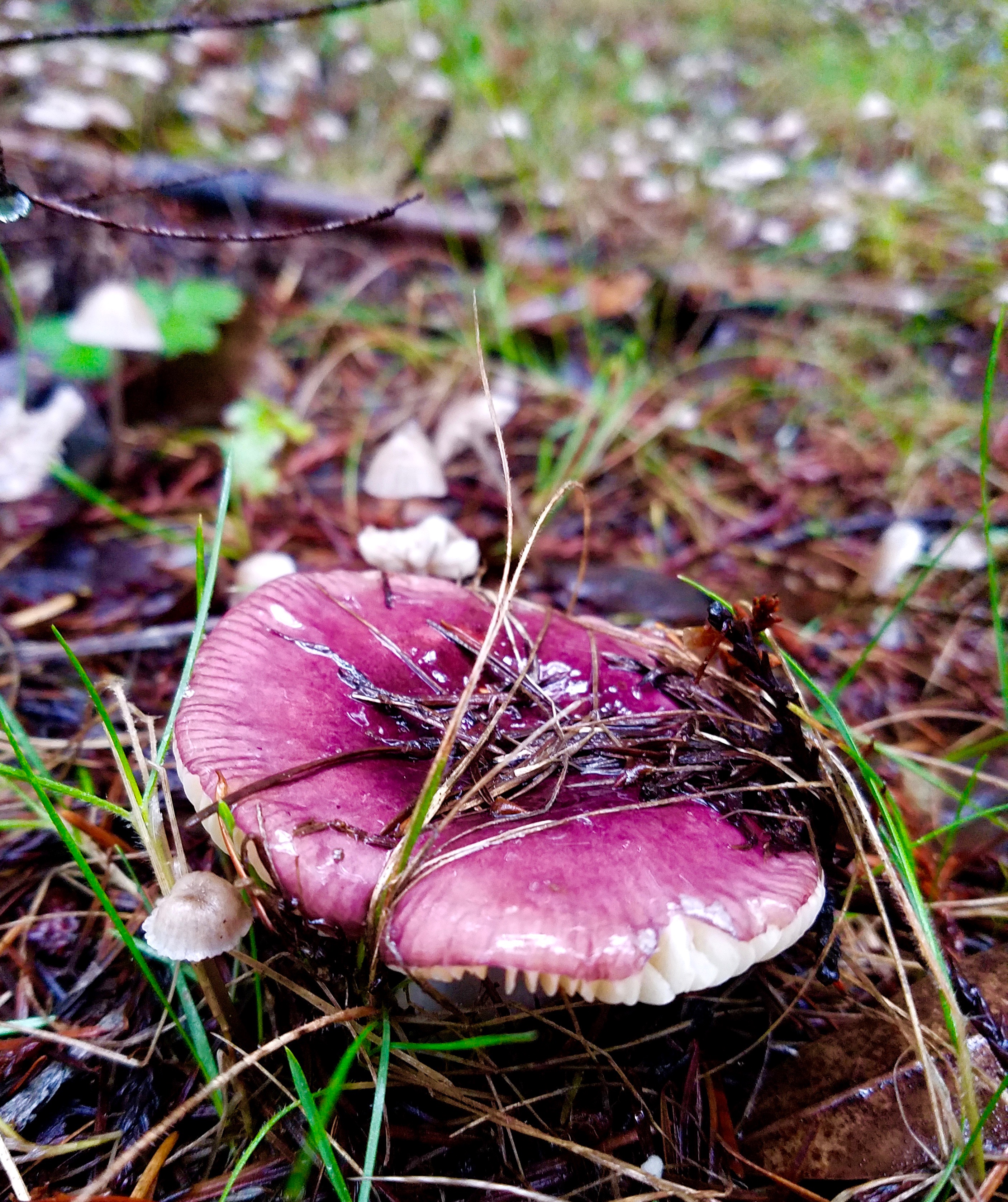
 Mushrooms are delightful but all-too-often-unsung blooms of the winter, and this has been a great year for them. I highly recommend that you put on a raincoat right now and head for the woods, even if–maybe especially if–you haven’t paid much attention to the fungal kingdom before. Scuff around in the leaves. Look for flashes of color. Be ready to get your knees muddy. Though easy to overlook, mushrooms (and other fungi) are pretty dazzling when once you begin to notice them. There is no need to ID what you are looking at to delight in their myriad patterns, shapes, colors, and sizes–though keying can be really fun too.
 This year, some of the memorable mushrooms I have seen include a tiny white parasol growing from the very tip of a cut-off branch, as if the still living tree were holding it up. There have been toadstools broader than my hand, and an orange-headed crowd gathered on a cow pie (yes, I made a political joke when I saw that one; how could I resist?). At Christmas, the woods near my house were carpeted with little delicate white mushrooms as dense as a field of spring flowers; in many places you couldn’t walk without stepping on them.





 Glossyleaf manzanita (




 Coastal button celery. Sounds harmless, right? But no. Another common name–prickly coyote thistle–is much more appropriate for this diminutive but sharply armored little plant. Found on bluffs and in coastal prairie, it can spread into dense mats that are impassible to dogs and even humans. It is common on my family’s land in northern Sonoma county, and many a hike has been hampered by sandals or forlorn dogs standing motionless, an afflicted paw held up in the
  air. Once the sharp bracts have dried and hardened, it can pierce through tennis shoe fabric, and you really don’t want to fall over in the stuff. Or sit down in it. Or bring it home in the treads of your shoes, and find it later with a bare foot.
 Flowers Of Marin