Category Archives: Plant of the day

Plant of the day: Pacific rhododendron

As sunbeams filter through the redwood canopy, the understory lights up with flares of pink. This is Sonoma county’s Kruse Rhododendron State Park, and I was lucky enough to find myself there last week with the rhododendrons (Rhododendron macrophyllum) in full bloom. It’s a surprisingly beautiful sight to be in a forest of these tall shrubs when they are heavy with their large pink flowers. The effect is lovely and somehow festive–as if the woods had been decorated for a girl’s birthday party.

This slideshow requires JavaScript.

Pacific rhododendron can grow to 12 feet tall, and are found from British Columbia to Monterey; they are the state flower of Washington. They usually grow in under conifer forests, but you can also sometimes find them in the chaparral, according to the Marin Flora.

This plant is not edible, but it was used ceremonially by west coast tribes. The Karok used it in a sweathouse ceremony designed to bring luck; the Kashaya and Pomo people use the flowers to make dance wreaths.

Leave a comment

Filed under Good for gardens, Native, Plant of the day

Plant of the day: foothill penstemon

Penstemon_heterophyllus1Bushes of beautiful blue-purple snapdragon flowers thrive on a dry, rocky cliff. Inside are four pale stamens, two of which curl charmingly against the tube of petals. This is foothill penstemon (Penstemon heterophyllus).

This California endemic is popular for gardens as it is deer resistant, drought tolerant, hardy, and attracts butterflies, hummingbirds and other pollinators. The narrow, opposite leaves are quite attractive too. Plus, one source says that these plants can live up to thirty years! Amazing.

It is also known as bunchleaf penstemon.Penstemon_heterophyllus

1 Comment

Filed under Good for gardens, Native, Plant of the day

Plant of the day: bluehead gilia

Long stems bearing balls of pale blue flowers grow on a hot, rocky hillside. Narrow, fernlike leaves grow up each stalk. This is bluehead gilia (Gilia capitata), a hardy native to California and most other western states.

Bluehead gilia is good for sunny native plant gardens, where it self-sows and attracts bees, butterflies, and other pollinators. A member of the phlox (Polemoniaceae) family, it is also known as blue field gilia, globe gilia, and blue thimble flower.

Leave a comment

Filed under Good for gardens, Native, Plant of the day

Plant of the day: one-leaf onion

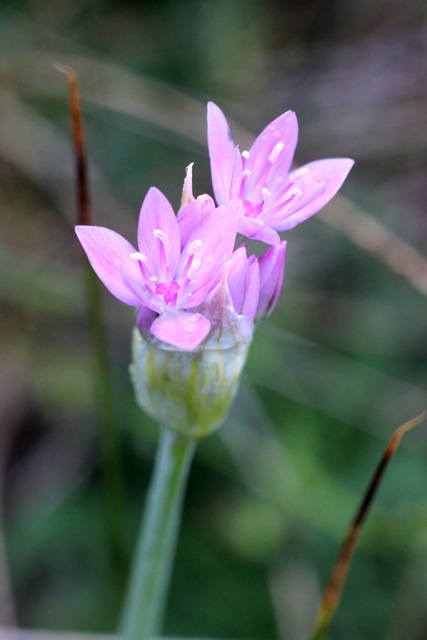
Allium_unifolium1The browning grass of Potrero Meadow has a few bright splotches of color. The pale purple blossoms of one-leaf onion (Allium unifolium) are held a few feet high atop a fleshy, leafless stem; two or three linear leaves grow from the base (I’m not sure where the name “one-leaf” came from).

One-leaf onion is found in coastal counties from central California to southern Oregon. Look for it in moist clay or serpentine soils, especially along grassy streambanks.

Native onions, including this one, were an important food source for indigenous Californians. According to the Native American Ethnobotany Database, one-leaf onion bulbs were traded for other goods such as skins, baskets, or pottery. Bulbs were eaten raw, roasted, or fried, as well as used for seasoning (though I would want to do more research before eating it, since the Mendocino Indians considered it poisonous, and the California Poison Control database lists it as minorly toxic). Allium_unifolium2

Leave a comment

Filed under Native, Plant of the day

Plant of the day: sun rose

Small bushes covered with delicate yellow flowers are scattered through the chaparral. This is sun rose (Helianthemum scoparium). It’s one of the few California natives that is in the same family as the ornamental, rock rose. You can see the similarities in the delicate petals and many stamens (from 5 to 45!) of broom rose. The small, needle-like leaves are sparse and grow close to the stem.

This sub-shrub can be just a few inches tall, or up to two feet high. It can be found in the dry hillsides of the North Coast Ranges and Sierra Nevada down into  Southwestern California; its northernmost range is Mendocino county. According to CalFlora, sun rose sprouts by the thousands after a fire–and the plants are much more leafy, looking very different than they usually do.

It is also called  broom rose and rushrose.

Leave a comment

Filed under Native, Plant of the day

Plant of the day: red ribbons

Clarkia_coccinaA brilliant magenta flower clings to a shady cliff. Each of its four petals is deeply notched into three lobes, and four matching straplike sepals are bent backwards in between each petal. This is red ribbons (Clarikia coccina), a showy and beautiful California native. It is endemic to this state, and is mainly found north of Santa Cruz county.

The Clarkia genus in general is a particularly beautiful one, with petals that are often clawed, lobed, or decoratively patterned. Other species have even more elaborately modified flowers, with leaves that look like they have been carved away by an inventive sculptor.

I have found no record of red ribbons being eaten used medicinally.

Leave a comment

Filed under Native, Plant of the day

Plant of the day: goldwire

Hypericum_coccinum1The large yellow flowers of goldwire (Hypericum coccinum) are adorned with many long yellow stamens. Beneath each cluster of showy blooms, the stalk is dense with paired, gray-green leaves that grow straight out from the stem. The leaves grow thickly from ground to flower, and the regular geometry creates a very striking visual effect. 

Goldwire is endemic to California, and is generally found in dry, rocky soils in the chaparral. Hypericum_coccinum2

Leave a comment

Filed under Native, Plant of the day

Plant of the day: California tea

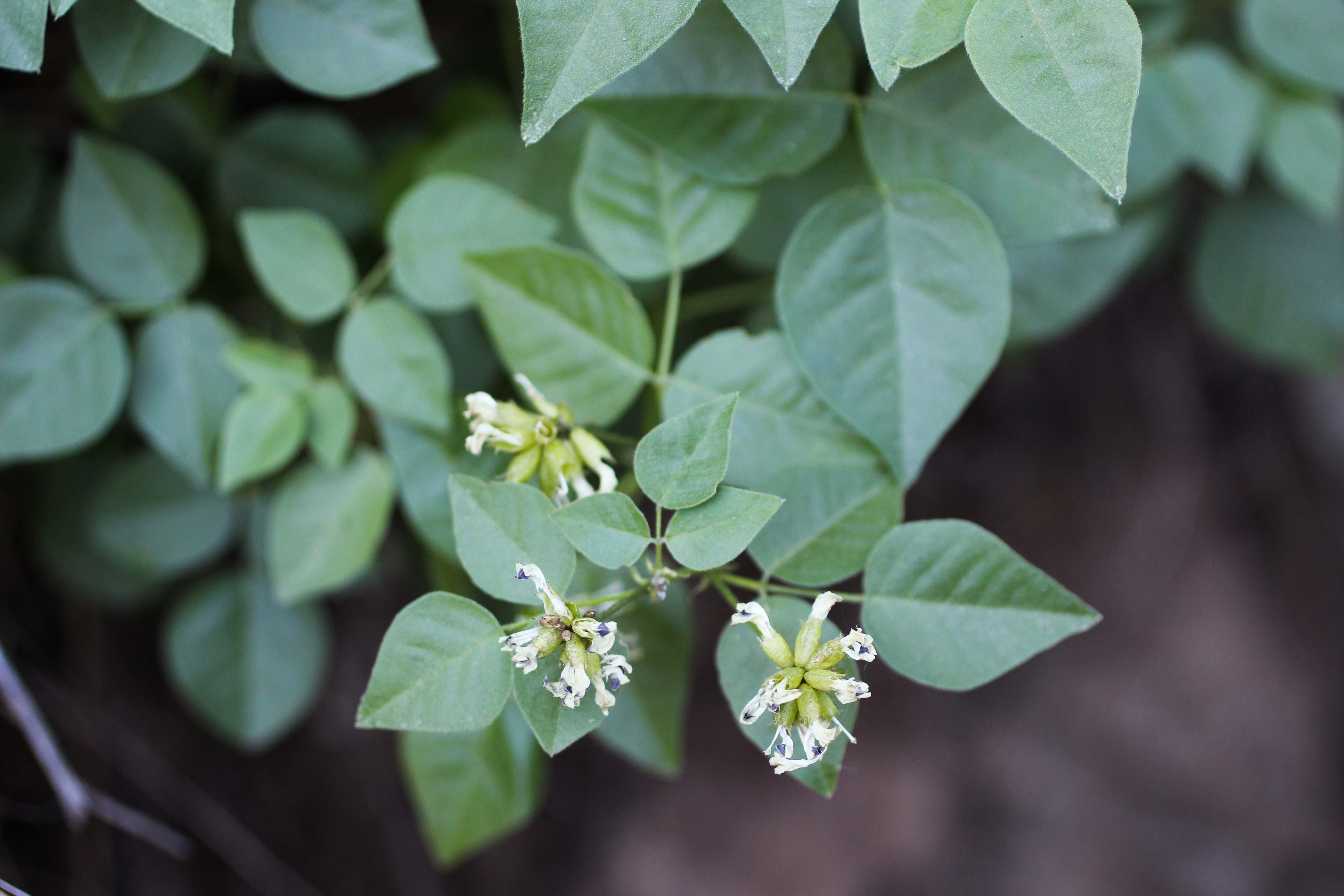
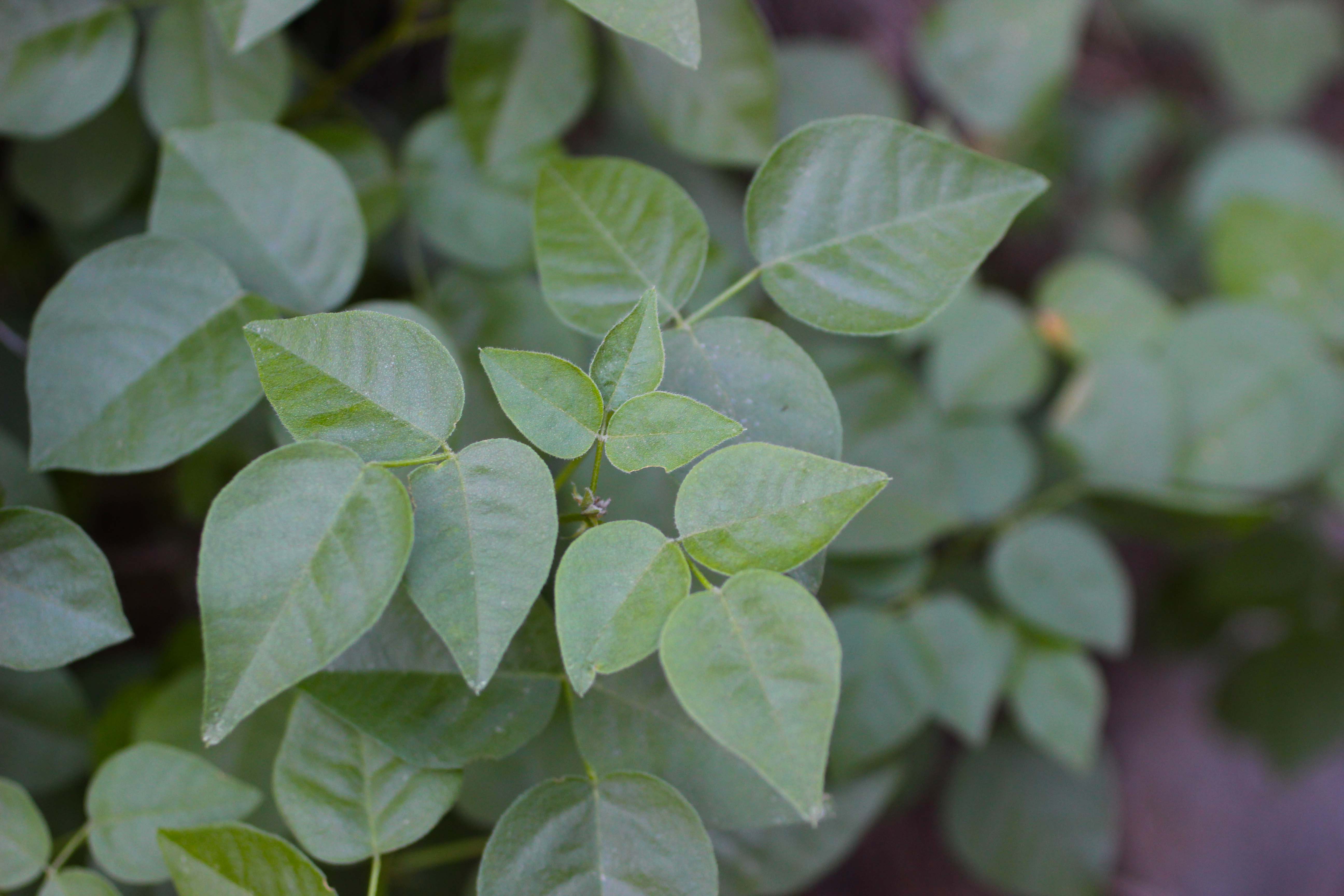
Rupertia_physodesWhen I first saw California tea (Rupertia physodes), I wondered briefly if I was looking at a strange variation of poison oak. The glossy leaves are grouped together in threes, after all!

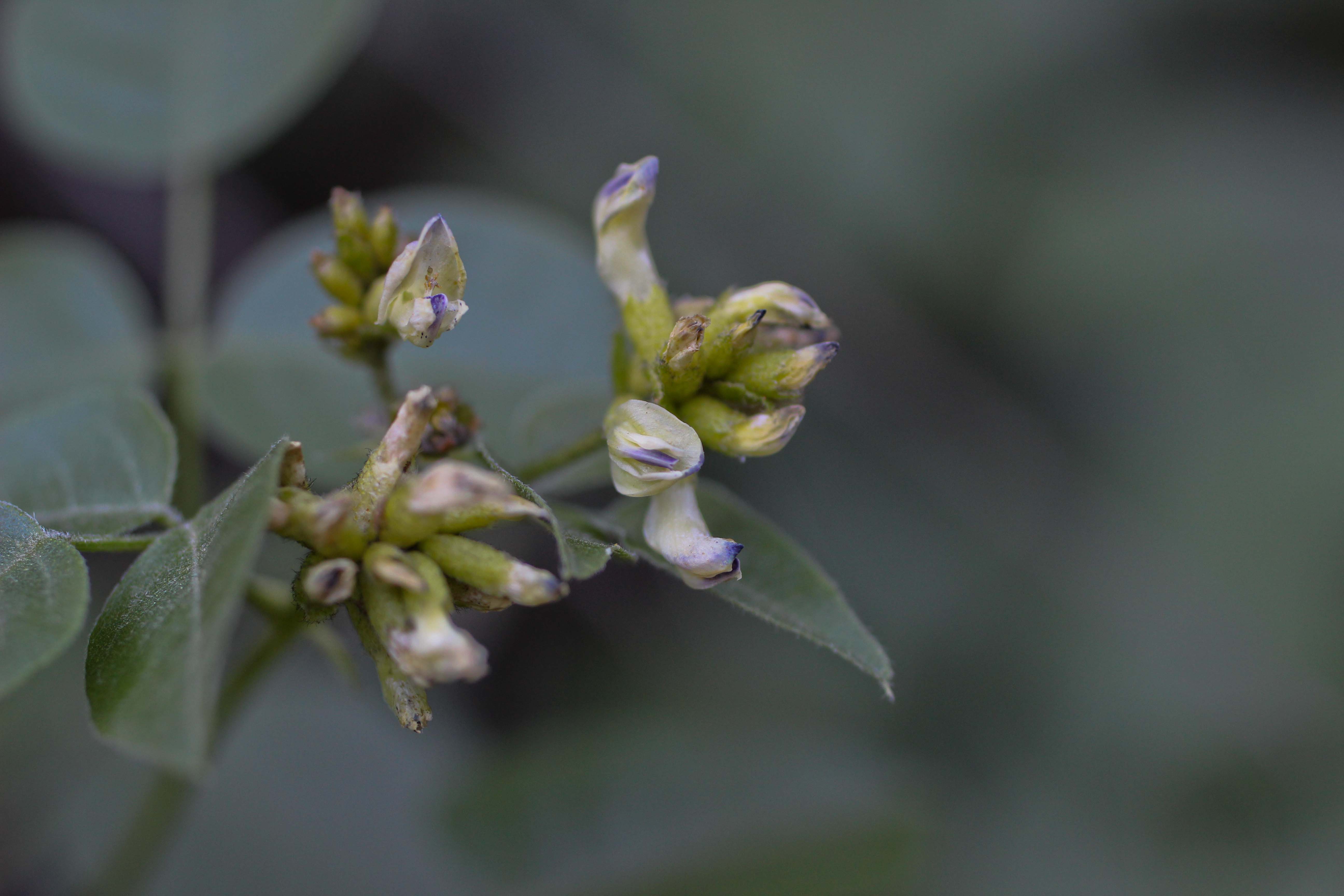
But when this little bush is in bloom it is clearly in the pea family. The flowers grow in small clusters of several white flowers with purple accents on the inner petals. The leaves are completely unlike those of poison oak: they have straight margins, pointy tips, and are slightly hairy. When crushed, they give off a sweet, fruity smell that reminds me vaguely of tomato.

The leaves can be brewed into a tea, hence the name. It is also called forest scurfpea and common rupertia. Rupertia_physodes-3 Rupertia_physodes-2

Leave a comment

Filed under Edible, Native, Plant of the day

Plant of the day: pitcher sage

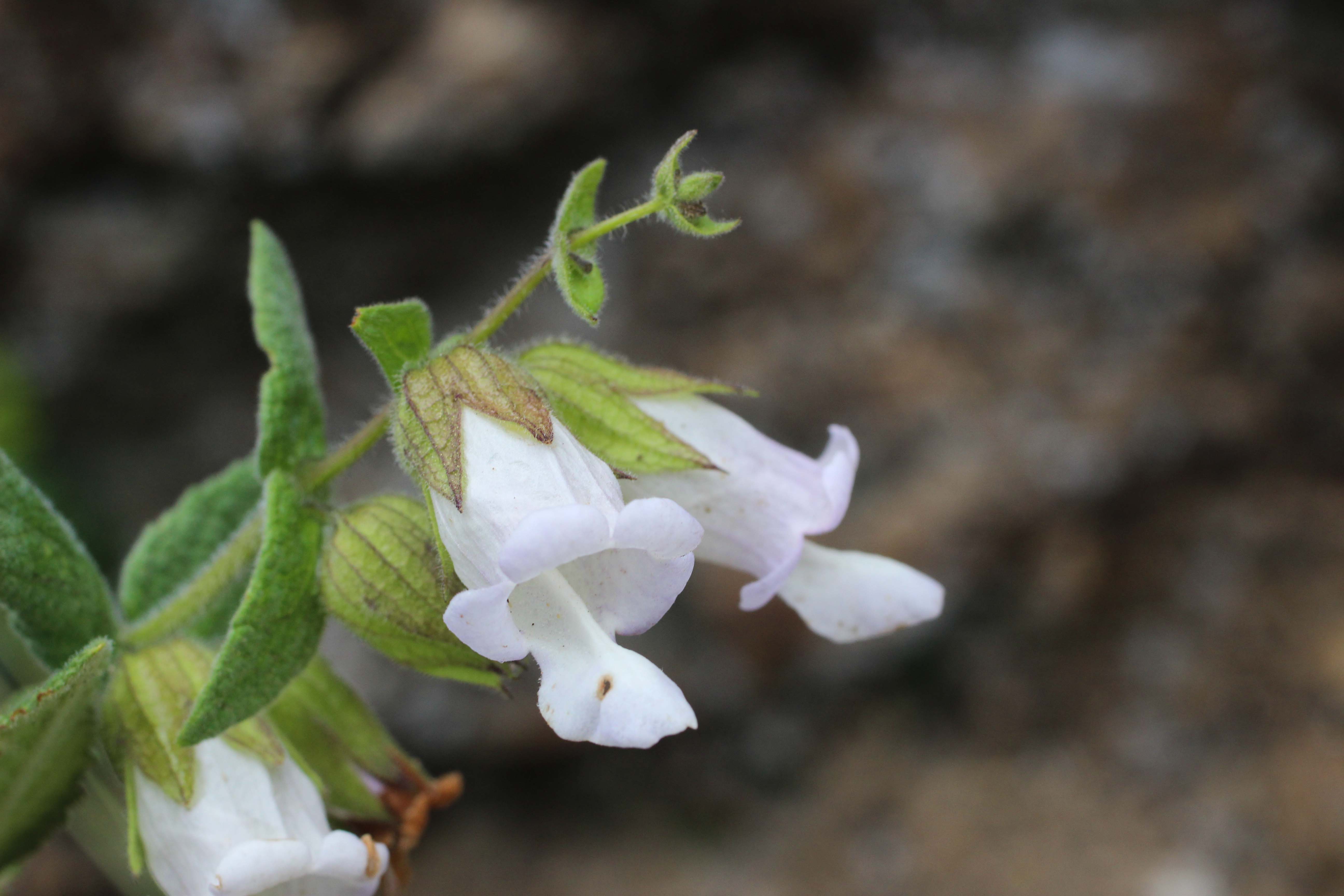
Lepechinia_calycina-2A bold bush with large white flowers and thick fragrant leaves grows abundantly along Old Railroad Grade. This is pitcher sage (Lepechinia calycina), likely named for its vessel-shaped flowers. Each large bloom is an inch or so long, and its lower lip protrudes out from the flower like a landing pad for pollinators. As it moves inward, this lip puckers into a distinctive ridge. The serrated, pungent leaves are large and thick with a wooly feel.

Unlike other species of native sage, Lepechinia is in the mint family. It was used medicinally by indigenous Californians to treat fever and headache, but despite the strong smell of its leaves I haven’t found any reference that it was used for cooking. Neither is there any mention of it being poisonous.

It is endemic to California, found from Lake to Ventura counties.Lepechinia_calycina

Leave a comment

Filed under Native, Plant of the day

Plant of the day: western azalea

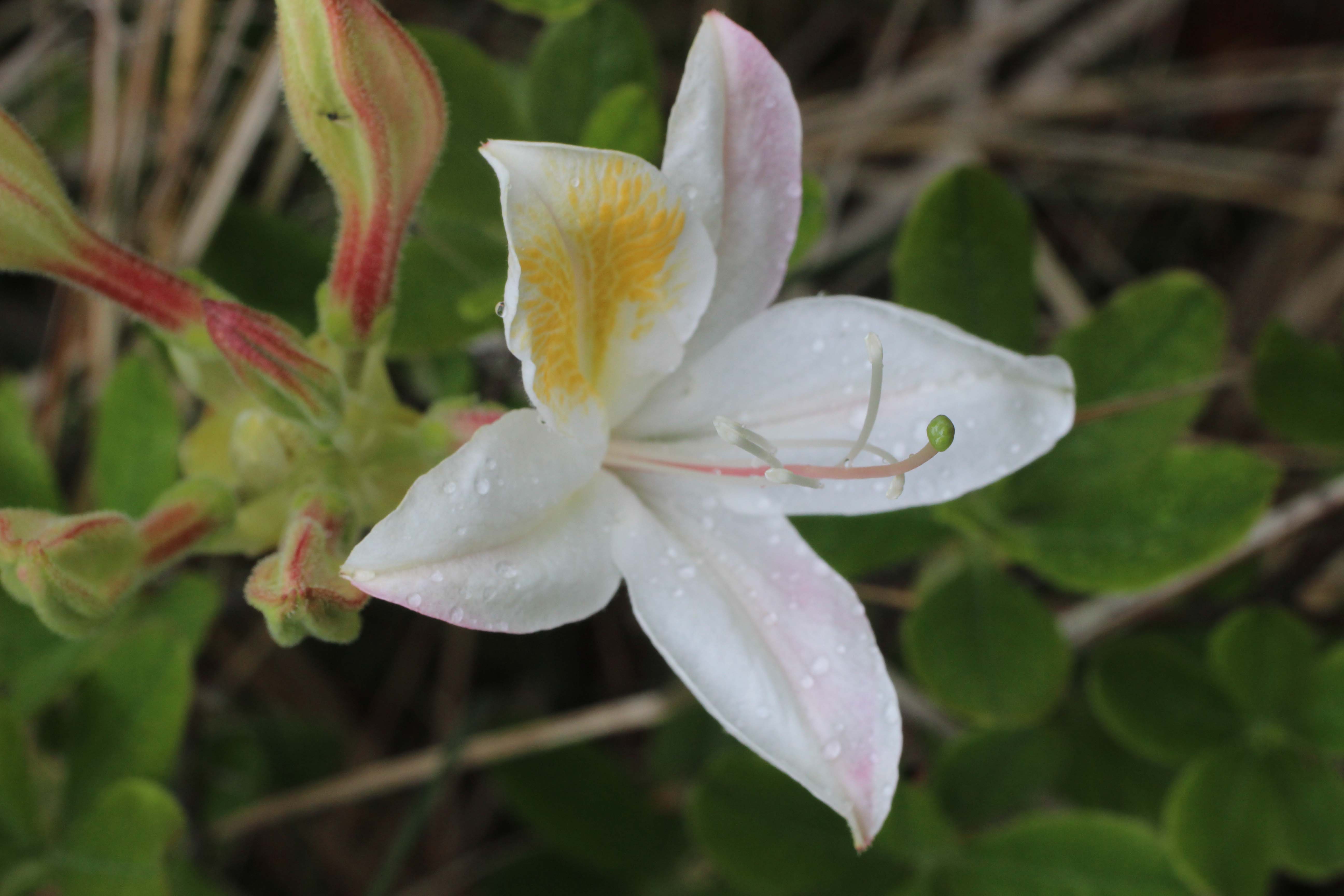
Rhododendron_occidentaleOn warm days, stands of azalea bushes exude a sweet and spicy fragrance. These shrubs in the rhododendron family are one of my favorite plants. The flowers are beautiful: large white trumpets have a splash of peachy orange on their upper lip, and a delicate array of long stamens. But the best thing about western azalea (Rhododendron occidentale) is their smell: it is the epitome of Californian summers. These shrubs prefer to grow on stream banks, and their pungent aroma is embedded in childhood memories of swimming holes and rock hopping. Even the leaves–pale green and slightly sticky–have their own fragrance. It’s a lovely thing. In My First Summer in the Sierra, John Muir said everybody must like this “charming shrub” not only for itself, but “also for the shady alders and willows, ferny meadows, and living water associated with it”.

Western azalea also grows in marshy flats, and I spotted the one photographed here at the Potrero Meadow picnic area. I have only seen azaleas blooming in late spring and early summer, but the Marin Flora says there are some plants near Rattlesnake Camp that have flowers almost all year round–a treat worth keeping an eye out for.

Leave a comment

Filed under Native, Plant of the day, Poisonous